Blog

How to Spot Damage on Your Natural Stone Floors and What to Do About It

Natural stone floors add beauty, elegance, and durability to any space. However, despite their strength, they are not invincible. Over time, natural stone can suffer from wear and tear, leading to cracks, chips, etching, and other forms of damage. Identifying early signs of damage can help you take proactive steps to maintain the integrity of your flooring and avoid costly repairs down the line. Here’s how to spot damage on your natural stone floors and what to do about it.

Common Signs of Damage on Natural Stone Floors

1. Cracks and Fractures

Cracks can develop in stone floors due to excessive pressure, heavy impact, or even foundational shifts. These cracks may start as thin hairline fractures but can grow over time, leading to more extensive structural problems.

What to Do:

  • Small cracks can sometimes be filled with stone epoxy or resin-based sealers.
  • Larger cracks may require professional stone restoration services to prevent further damage and restore structural integrity.

2. Chips and Dents

Dropped objects, furniture movement, or heavy foot traffic can cause small chips and dents on the surface of your stone flooring. While these may seem minor, they can accumulate over time and make the floor look worn out.

What to Do:

  • Light chipping can often be smoothed with fine sandpaper or polished with a stone-safe product.
  • Deeper chips may require professional patching or refinishing to blend the damaged area seamlessly with the surrounding stone.

3. Etching (Dull Spots and Streaks)

Etching occurs when acidic substances like lemon juice, vinegar, or wine react with the calcium in natural stones like marble, limestone, and travertine. This reaction results in dull, cloudy marks on the surface.

What to Do:

  • For mild etching, a marble polishing powder can help restore the shine.
  • Severe etching often requires professional honing and polishing services to remove the damaged layer and restore the stone’s finish.

4. Stains and Discoloration

Natural stone is porous, meaning it can absorb liquids and develop stains over time. Common culprits include wine, coffee, oil, and cleaning products. Some stones, like granite, are more stain-resistant, but others, like limestone, are highly susceptible.

What to Do:

  • Use a poultice made of baking soda and water to pull out deep-set stains.
  • Regular sealing of the stone can prevent future stains from setting in.
  • For stubborn discoloration, professional deep cleaning and stain removal may be necessary.

5. Spalling (Flaking or Pitting)

Spalling happens when moisture seeps into the stone, causing it to weaken and flake or pit over time. This is common in stones that absorb water, especially in areas with high humidity or frequent exposure to moisture.

What to Do:

  • Ensure proper sealing to reduce moisture penetration.
  • Replace severely spalled tiles to prevent further deterioration.
  • A professional restoration expert can assess the underlying cause and provide a long-term solution.

6. Uneven or Loose Tiles

If you notice that some tiles are uneven or feel loose underfoot, this may indicate improper installation, shifting foundations, or water damage beneath the surface.

What to Do:

  • Loose tiles should be reset and re-grouted as soon as possible.
  • A professional evaluation may be necessary to determine if there’s a more serious underlying issue, such as a weakened subfloor or excessive moisture.

How Professional Cleaning and Repair Services Can Help

While some minor issues can be managed with DIY solutions, professional stone restoration services offer the best results for serious damage. Here’s how they can help:

Deep Cleaning and Sealing

Professional cleaners use specialized, stone-safe cleaning solutions to remove dirt, grime, and stains without damaging the surface. Sealing the stone after cleaning prevents future staining and moisture damage.

Honing and Polishing

For etched or dull stone, professionals use honing pads and polishing compounds to restore the natural shine of the stone, making it look brand new.

Crack and Chip Repair

Experts use color-matched epoxy resins and adhesives to fill cracks and chips, ensuring a seamless repair that blends with the original stone.

Grinding and Leveling

Uneven tiles can be ground down and leveled to eliminate trip hazards and improve aesthetics.

Replacement and Restoration

For extensive damage, professionals can replace broken tiles and refinish entire areas to restore the floor’s integrity and beauty.

Preventive Maintenance Tips

To keep your natural stone floors in top condition, follow these maintenance tips:

  • Use Mats and Rugs – Place rugs in high-traffic areas and near entryways to prevent dirt and debris from scratching the surface.
  • Clean Spills Immediately – Wipe up spills quickly to prevent staining and etching.
  • Use pH-Neutral Cleaners – Avoid acidic or harsh chemicals that can damage the stone.
  • Re-Seal Periodically – Natural stone should be sealed every 6-12 months, depending on the type and level of use.
  • Avoid Heavy Impact – Be cautious when moving furniture or dropping heavy objects on the floor.

Natural stone floors are an investment, and with proper care, they can last a lifetime. By regularly inspecting your floors for signs of damage and addressing issues promptly, you can maintain their beauty and durability for years to come. If you notice significant damage, don’t hesitate to seek professional cleaning and restoration services to protect your floors and keep them looking their best.
Pressure Washing vs. Professional Paver Cleaning: What Can Go Wrong?

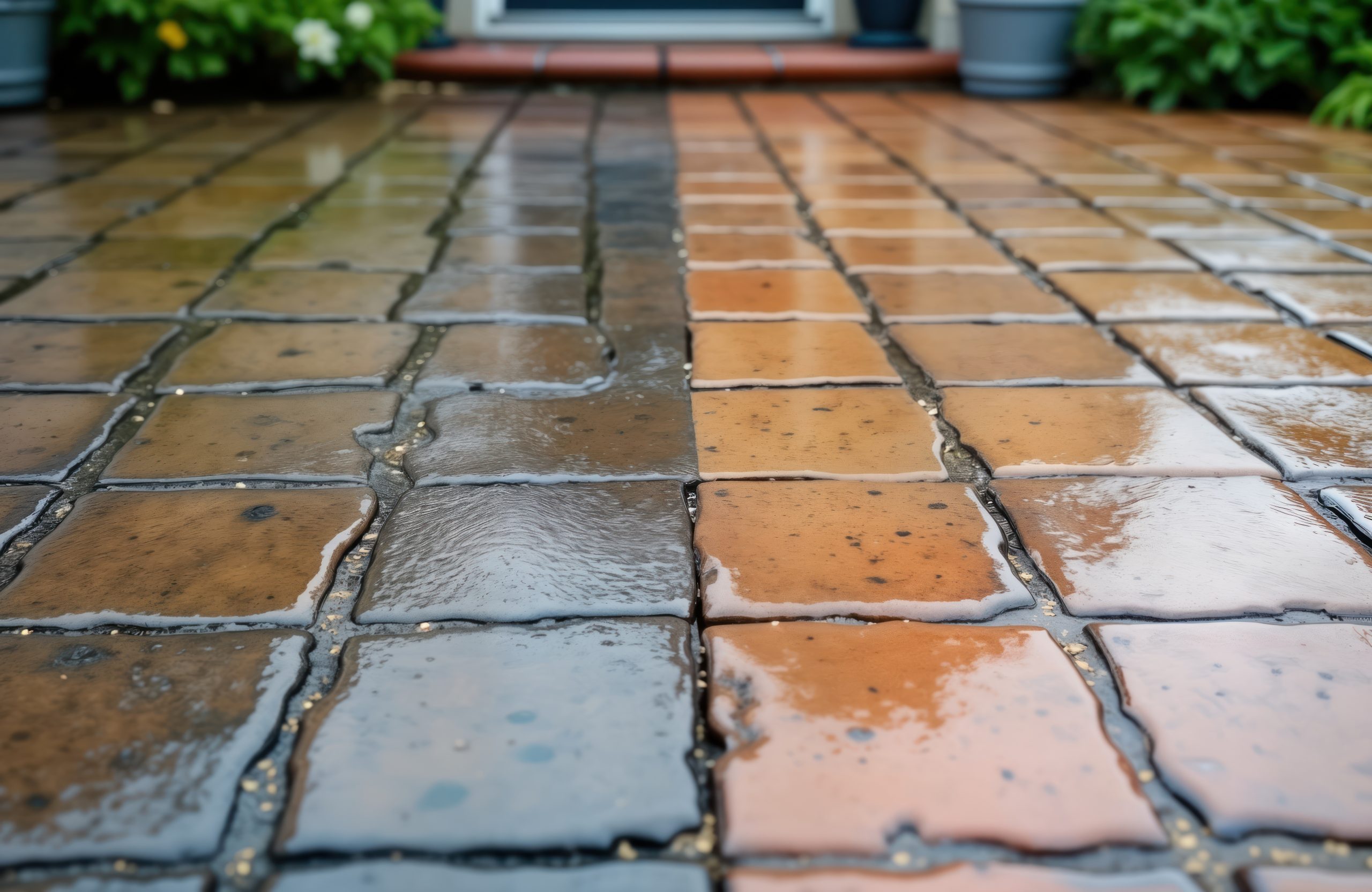
If your brick or interlocking pavers look dull, stained, or mossy, it’s tempting to grab a pressure washer and blast the surface clean. While DIY pressure washing seems fast and affordable, it’s also one of the most common causes of permanent paver damage. Understanding the differences between high-pressure DIY cleaning and professional low-pressure systems can save you thousands in repairs.

Why Pressure Washing Is So Risky for Pavers

Consumer pressure washers often operate between 2,000–4,000 PSI—far more force than most pavers are designed to handle. Unlike concrete slabs, pavers rely on surface integrity, joint sand, and consistent color to stay stable and attractive.

Common problems caused by pressure washing include:

Etched or scarred surfaces
High pressure strips away the top layer of the paver, leaving rough, porous patches that attract dirt and stains faster than before.

Blown-out joint sand
The force removes polymeric or joint sand between pavers, destabilizing the surface and allowing weeds, ants, and water intrusion.

Uneven color and streaking
Pressure washing rarely cleans evenly. Wand marks, stripes, and “clean spots” become permanently visible once the surface is etched.

Accelerated fading
Removing the protective surface layer exposes pigments to UV damage, causing faster fading and chalky residue.

Structural movement over time
Lost joint sand leads to shifting, sinking, and uneven pavers—issues that require re-leveling or replacement.

How Professional Paver Cleaning Is Different

Professional paver restoration uses low-pressure cleaning systems combined with surface-safe detergents designed specifically for masonry and stone. Instead of relying on force, professionals rely on chemistry, dwell time, and controlled rinsing.

Key differences include:

Low-pressure, surface-safe washing
Professionals clean at pressures low enough to protect the paver face while still removing algae, oil, and organic buildup.

Targeted cleaners
Specialized solutions break down stains without bleaching color or damaging the paver matrix.

Joint sand protection and replacement
Professionals intentionally preserve joint sand—or replace it properly with polymeric sand after cleaning.

Consistent, uniform results
Even cleaning across the entire surface avoids streaks, wand marks, and patchy color.

Optional sealing for long-term protection
Sealers restore color, enhance appearance, and lock joint sand in place—preventing future damage.

DIY Pressure Washing vs. Professional Cleaning: A Quick Comparison

FactorDIY Pressure WashingProfessional Paver Cleaning
Pressure LevelHigh (2,000–4,000 PSI)Low, surface-safe
Risk of EtchingHighMinimal
Joint Sand LossVery commonControlled or replaced
Color ConsistencyOften unevenUniform finish
Long-Term ResultsShort-livedLong-lasting
Repair RiskHighLow

When Pressure Washing Causes Permanent Damage

Many homeowners only discover the damage after the pavers dry. Etching and color loss often become more visible days later—when repairs are no longer simple cleaning jobs. At that point, fixes may require:

  • Paver resurfacing
  • Full re-sanding
  • Spot replacement
  • Complete restoration and sealing

What started as a DIY weekend project can quickly turn into a costly restoration.

The Safer Choice for Long-Lasting Results

If your goal is clean, vibrant, and stable pavers—not just “looks good for a week”—professional low-pressure cleaning is the safer investment. It protects the integrity of your surface, preserves color, and prevents the hidden damage that pressure washers often cause.

When it comes to paver pressure washing damage, the cheapest option upfront is often the most expensive in the long run. Choosing safe paver cleaning methods ensures your outdoor spaces stay beautiful for years—not just days.

Natural Stone Floor Cleaning for Luxury Homes: A Guide

Natural stone flooring is a hallmark of luxury and elegance, gracing high-end homes with timeless beauty and sophistication. From the warm tones of travertine to the dramatic veining of marble, each type of natural stone carries unique characteristics that demand specialized care. Maintaining these stunning surfaces is essential for preserving their aesthetic appeal and ensuring they remain a valuable feature of your home. This guide will walk you through the unique needs and challenges of cleaning and caring for natural stone floors in luxury residences. Hiring a professional service for deep cleaning and maintenance is also highly recommended to ensure the longevity and pristine condition of your floors.

Understanding the Nature of Natural Stone

Natural stone floors, whether marble, granite, limestone, slate, or travertine, are derived from the earth’s crust and exhibit unique patterns, textures, and porosities. These features contribute to their beauty but also make them more sensitive to wear, stains, and damage compared to synthetic materials.

Common Characteristics:

  • Porosity: Natural stone is inherently porous, which makes it susceptible to staining and water damage.
  • Sensitivity to Acids: Many stones, especially marble and limestone, can be etched by acidic substances like citrus juice or vinegar.
  • Surface Variations: The natural variations in color and texture can complicate cleaning if not done carefully.

Key Challenges in Cleaning Natural Stone Floors

1. Avoiding Damage to the Surface

Luxury natural stone flooring can be easily scratched or etched by abrasive tools and harsh chemicals. This makes choosing the right cleaning tools and products essential.

2. Preserving the Finish

Polished, honed, or textured finishes require specific cleaning techniques to retain their appearance. For instance, polished marble needs extra care to maintain its shine.

3. Preventing Stains and Discoloration

Natural stone floors are prone to stains from spills and discoloration from prolonged exposure to moisture.

Cleaning Tips for Luxury Natural Stone Floors

1. Daily Maintenance

  • Dry Dusting: Use a soft, dry mop or microfiber cloth to remove dust and debris daily. This prevents dirt from scratching the surface.
  • Immediate Spill Cleanup: Wipe up spills promptly using a soft cloth to prevent staining.

2. Weekly Cleaning

  • Use pH-Neutral Cleaners: Choose a stone-specific, pH-neutral cleaner to avoid damaging the surface. Dilute as directed and use a soft mop.
  • Avoid Excess Water: Excessive moisture can seep into the pores of the stone and cause discoloration or damage.

3. Annual Deep Cleaning

  • Professional Polishing: Engage a professional service to polish the floors and restore their original luster.
  • Sealing: Apply a high-quality sealant to protect the stone from stains and water damage. Resealing should be done every 6 to 12 months, depending on the level of use.

Do’s and Don’ts of Stone Floor Care

Do’s:

  • Place mats or rugs in high-traffic areas to reduce wear.
  • Use coasters and placemats to protect the floor from spills.
  • Invest in a high-quality vacuum with a soft brush attachment for routine cleaning.

Don’ts:

  • Never use acidic or abrasive cleaners, including vinegar or bleach.
  • Avoid dragging heavy furniture across the floor to prevent scratches.
  • Don’t allow water to pool on the surface.

Choosing the Right Professionals

Luxury homeowners should rely on experienced professionals for deep cleaning and maintenance. Look for specialists who are trained in natural stone care and use industry-standard equipment and techniques.

Enhancing the Longevity of Natural Stone Floors

The beauty of natural stone floors lies in their ability to age gracefully when properly cared for. Regular maintenance, professional cleaning, and the right cleaning products will ensure your floors continue to enhance your home’s elegance for years to come. By understanding the unique needs of natural stone, you can safeguard your investment and enjoy its timeless appeal.

With the proper care, your luxury natural stone floors will remain a stunning centerpiece in your home—a testament to the fine craftsmanship and materials that define high-end living.

How to Protect Your Natural Stone Floors from Everyday Wear and Tear

Natural stone floors, with their timeless beauty and durability, are a prized feature in many homes. However, despite their resilience, they require proper care to maintain their luster and longevity. Everyday foot traffic, furniture movement, and spills can take a toll on these elegant surfaces. Here are some practical steps to protect your natural stone floors from wear and tear:

Use Rugs and Mats

  • Strategic Placement: Place rugs or mats in high-traffic areas, such as entryways, hallways, and near sinks. These areas are prone to wear and tear, as well as exposure to dirt and moisture.
  • Non-Slip Backing: Ensure rugs have a non-slip backing to prevent accidents and protect the floor from scratches caused by rug movement.
  • Clean Regularly: Shake out rugs or vacuum them frequently to avoid dirt buildup, which can transfer to the stone surface and cause abrasion.

Install Furniture Protectors

  • Felt Pads: Attach felt pads to the legs of chairs, tables, and other movable furniture. This minimizes the risk of scratches and scuffs when furniture is moved.
  • Periodic Checks: Regularly inspect the pads for wear and replace them as needed to ensure continued protection.
  • Weight Distribution: Use coasters or pads under heavy furniture to distribute weight evenly and reduce the risk of dents or cracks.

Prevent Spills and Stains

  • Seal the Surface: Many natural stone floors benefit from a sealing treatment to create a barrier against stains. Reapply the sealant as recommended by the manufacturer.
  • Quick Clean-Up: Wipe up spills immediately using a soft, damp cloth. Avoid acidic or harsh cleaning products, which can etch or dull the stone.
  • Use Coasters and Trays: Place coasters under drinks and trays under plants or decorative items to catch moisture and prevent stains.

Adopt a Routine Cleaning Schedule

  • Sweep Daily: Use a soft-bristle broom or a microfiber dust mop to remove dirt and debris, which can act as abrasives.
  • Gentle Cleaning Solutions: Clean the floors weekly with a pH-neutral cleaner specifically designed for natural stone. Harsh chemicals or vinegar-based solutions can damage the stone.
  • Dry Thoroughly: After cleaning, dry the floor with a soft cloth or mop to prevent water spots.

Protect Against Environmental Factors

  • Use Curtains or Blinds: Prolonged exposure to direct sunlight can fade natural stone. Install curtains or blinds to shield the floors from UV rays.
  • Control Humidity: In humid areas, use a dehumidifier to prevent moisture-related issues like mold or mildew on porous stone surfaces.

Handle Repairs Promptly

  • Address Chips and Cracks: If you notice any damage, consult a professional to repair chips or cracks before they worsen.
  • Resealing: Over time, the protective sealant on your stone floor may wear off. Resealing the floor at regular intervals will help maintain its durability.

Educate Household Members

  • Encourage everyone in the home to avoid dragging items across the floor, wear soft-soled shoes indoors, and promptly report any spills or potential damage.

By incorporating these protective measures into your daily routine, you can preserve the natural beauty of your stone floors and ensure they remain a stunning feature of your home for years to come. With proper care and attention, your investment in natural stone flooring will continue to pay off in both aesthetic appeal and longevity.

DIY vs. Professional Natural Stone Floor Cleaning

Whether it’s marble, granite, travertine, or limestone, these surfaces require consistent cleaning and maintenance to preserve their beauty and longevity. When it comes to cleaning natural stone floors, you have two main options: handling it yourself (DIY) or hiring professional cleaning services. Each approach serves specific needs, and understanding their unique aspects will help you choose the best path for your floors.


DIY Natural Stone Floor Cleaning

Cleaning your natural stone floors yourself allows you to maintain their beauty regularly and on your own terms. DIY cleaning typically involves using tools like soft-bristle brushes, microfiber mops, and stone-specific cleaning solutions. Here’s how to approach DIY cleaning effectively:

  • Daily Maintenance: Regular sweeping or vacuuming prevents dirt and debris from scratching the stone’s surface. Use a vacuum without a beater bar to avoid damage.
  • Stone-Safe Cleaners: Use pH-neutral cleaning solutions designed specifically for natural stone. Avoid acidic or abrasive cleaners, as these can cause etching and discoloration.
  • Immediate Stain Removal: Wipe up spills promptly to prevent stains from penetrating the stone. For tougher stains, spot-clean with an appropriate cleaner or poultice.
  • Sealing: Depending on the type of stone, periodic sealing can help protect the surface from moisture and stains. Many natural stones benefit from resealing once or twice a year.

While DIY cleaning is practical for regular upkeep, it requires knowledge of your stone type and the correct products to use. With consistency, DIY efforts can effectively prolong your floor’s pristine appearance.


Professional Natural Stone Floor Cleaning

For deeper cleaning and restoration, professional services offer a level of care that goes beyond regular maintenance. Professionals use advanced equipment and techniques tailored to the type of stone, ensuring its surface is cleaned and restored without damage. Here’s what to expect from professional cleaning:

  • Deep Cleaning: Professionals use specialized equipment, such as high-pressure steam cleaners or rotary scrubbers, to remove embedded dirt and grime.
  • Polishing and Buffing: Polishing services restore the stone’s shine and smoothness, addressing dullness and minor imperfections.
  • Stain and Damage Repair: Tough stains, scratches, and chips can be addressed with expert methods, restoring the stone’s original appearance.
  • Sealing and Protection: After cleaning, professionals may apply a high-quality sealant to enhance the stone’s resistance to stains and moisture.

Professional services are particularly valuable for large areas, heavily soiled floors, or when the stone requires repairs or refinishing. These services ensure your natural stone maintains its beauty and structural integrity over time.


Choosing the Right Approach

The choice between DIY and professional cleaning often depends on the condition of your floors and your personal circumstances. A balanced approach works well for many homeowners: consistent DIY maintenance for everyday care and professional services for periodic deep cleaning and restoration.

Whether you decide to clean your floors yourself or call in the experts, understanding the specific needs of your natural stone is key to preserving its elegance and ensuring it remains a standout feature of your home.

The Long-Term Cost Benefits of Cool Deck Coating

Cool deck coatings are gaining popularity for their ability to enhance the functionality and longevity of outdoor surfaces, particularly in areas exposed to high temperatures. While the upfront investment in applying a cool deck coating may seem significant, the long-term cost benefits far outweigh the initial expenses. This article explores how cool deck coatings save money over time by reducing maintenance costs, prolonging surface life, and improving energy efficiency.

1. Reduced Maintenance Costs

One of the most immediate financial advantages of cool deck coatings is the reduction in maintenance costs. These coatings are specially designed to resist common issues such as cracking, fading, and staining, which are prevalent in untreated surfaces.

  • Resistant to Wear and Tear: Unlike bare concrete or untreated surfaces, cool deck coatings provide a protective layer that minimizes damage from weather, heavy foot traffic, and pool chemicals.
  • Ease of Cleaning: With their smooth and non-porous surface, these coatings are easier to clean, reducing the need for frequent pressure washing or the use of harsh cleaning agents.
  • Reduced Repairs: The added durability means fewer repairs, saving homeowners and facility managers both time and money in the long run.

2. Prolonged Surface Life

Cool deck coatings act as a shield, protecting surfaces from the elements that typically cause deterioration.

  • UV Protection: Prolonged exposure to the sun’s UV rays can degrade and discolor concrete, leading to expensive resurfacing. Cool deck coatings contain UV-resistant properties that preserve the surface’s integrity and appearance for years.
  • Temperature Regulation: By reducing the surface temperature, cool deck coatings prevent thermal expansion and contraction, which are primary causes of cracking and surface damage.
  • Moisture Resistance: These coatings offer excellent water resistance, protecting surfaces from damage caused by moisture seepage, particularly in freeze-thaw cycles that can wreak havoc on untreated materials.

3. Increased Energy Efficiency

A significant but often overlooked benefit of cool deck coatings is their contribution to energy savings. By keeping surfaces cooler, these coatings reduce heat absorption and lower the overall temperature in surrounding areas.

  • Lower Cooling Costs: Surfaces treated with cool deck coatings reflect sunlight, keeping patios, pool decks, and surrounding areas cooler. This reflective property reduces the heat island effect and can lower the cooling load on adjacent buildings, ultimately leading to reduced energy bills.
  • Comfort for Occupants: In residential or commercial spaces, cooler deck areas mean less reliance on air conditioning during the hotter months, which translates to significant energy savings over time.

While the initial cost of installing a cool deck coating may seem high, the long-term benefits make it a smart financial choice. By reducing maintenance expenses, extending the life of surfaces, and improving energy efficiency, cool deck coatings provide significant cost savings for homeowners, property managers, and business owners alike. Beyond the financial aspect, they also enhance comfort and aesthetic appeal, making them a worthwhile investment for anyone looking to protect and improve their outdoor spaces.

Investing in cool deck coatings isn’t just about immediate results—it’s a strategic move that pays off year after year.

Speak with a Professional

Learn how you can save thousands of dollars by restoring your floor.

Call Us:
760-360-4000