Blog

Paver Sealing Explained: Wet Look vs. Natural Finish

Choosing the Right Paver Sealing Option for Your Driveway, Patio, or Pool Deck

Sealing your brick or interlocking pavers isn’t just about looks, it’s about protecting your investment. The right sealer can enhance color, prevent stains, reduce weed growth, and extend the life of your pavers for years. But one of the biggest decisions homeowners face is wet look vs. natural finish paver sealing.

Below, we break down the most common paver sealing options, how long they last, how they perform in real-world conditions, and which surfaces they’re best suited for.

What Does Paver Sealing Do?

Paver sealers are designed to:

  • Lock in joint sand and reduce erosion
  • Protect against oil, grease, rust, and organic stains
  • Enhance or preserve color
  • Minimize fading from UV exposure
  • Reduce weed growth and ant infestation

The difference between sealer types comes down to appearance, texture, and performance.

Wet Look Paver Sealer

Appearance

A wet look sealer deepens color and adds a rich, satin-to-gloss finish—similar to how pavers look right after rain. Reds become warmer, charcoals darker, and textures more pronounced.

Best Uses

  • Driveways (dramatic curb appeal)
  • Front walkways
  • Decorative patios
  • Low-splash pool surrounds

Pros

  • Strong color enhancement
  • Makes older or faded pavers look new
  • Excellent stain resistance
  • Can slightly harden the surface

Considerations

  • Can be slippery when wet if non-slip additives aren’t used
  • Gloss level may dull unevenly as it wears
  • Not ideal for heavily shaded or constantly wet areas

Typical Lifespan

2–4 years, depending on traffic, sun exposure, and climate. Driveways may need resealing sooner than patios.

Natural Finish (Matte) Paver Sealer

Appearance

Natural finish sealers protect pavers without altering their original look. Color remains mostly unchanged, with a subtle, clean enhancement rather than shine.

Best Uses

  • Pool decks
  • Backyard patios
  • Courtyards
  • High-traffic walkways

Pros

  • Maintains original, natural appearance
  • Better slip resistance than gloss sealers
  • Ideal for wet or barefoot areas
  • More forgiving as it ages

Considerations

  • Less dramatic visual impact
  • Does not “hide” wear or fading as much as wet look sealers

Typical Lifespan

3–5 years, often longer than wet look sealers due to reduced surface buildup.

Slip Resistance: A Critical Factor

For any sealed surface—especially near pools—slip resistance matters.

  • Wet look sealers should always include anti-slip additives
  • Natural finish sealers are naturally more slip-resistant
  • Proper surface prep (deep cleaning + correct joint sand) is just as important as the sealer itself

A professional application ensures safety without sacrificing performance.

Which Paver Sealing Option Is Right for You?

Choose a Wet Look Sealer if:

  • You want bold color enhancement
  • Curb appeal is a priority
  • The area stays mostly dry
  • You’re sealing decorative or statement areas

Choose a Natural Finish Sealer if:

  • Safety and traction matter most
  • The area gets wet frequently
  • You prefer a subtle, timeless look
  • You want longer maintenance intervals

Many homeowners opt for different sealers in different areas—wet look on the driveway, natural finish around the pool.

Sealing as Preventative Maintenance

Paver sealing works best before problems start. Regular sealing:

  • Prevents deep staining
  • Reduces costly repairs
  • Keeps joint sand stable
  • Extends the life of your entire hardscape

Waiting until pavers are damaged often means restoration costs instead of simple maintenance.

There’s no one-size-fits-all answer when it comes to paver sealing options. Wet look and natural finish sealers each have their place—it’s about matching the right product to the right surface and environment.

If you’re unsure, a professional evaluation can help determine:

  • The condition of your pavers
  • The best sealer type
  • The ideal resealing schedule

Done right, paver sealing protects your home, enhances its beauty, and saves money long-term.
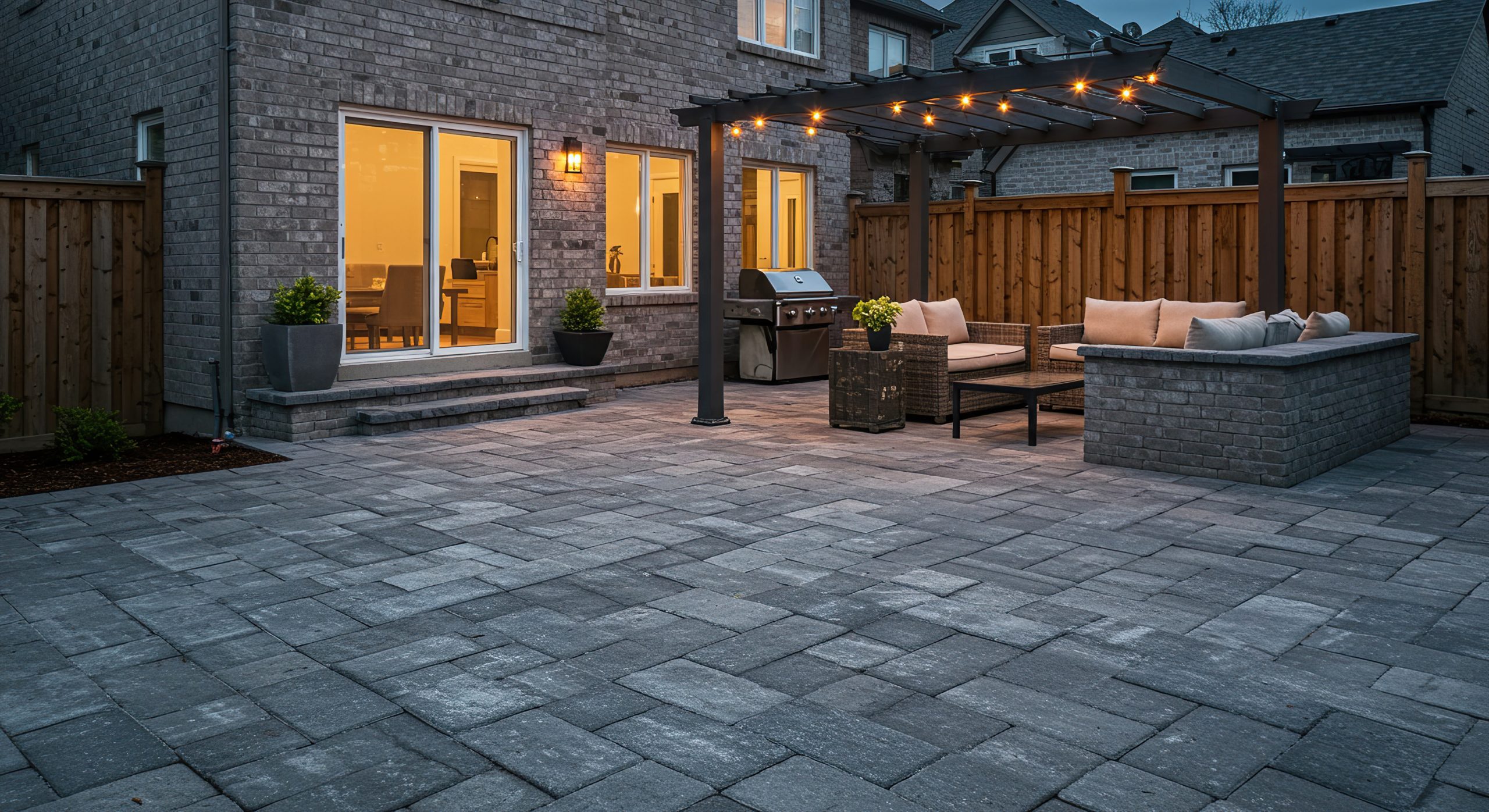
How Often Should Brick & Interlocking Pavers Be Cleaned and Sealed?

Brick and interlocking pavers are designed to last—but only if they’re maintained on a smart, consistent schedule. One of the most common mistakes homeowners make is waiting until pavers look “bad enough” to fix. By that point, fading, joint failure, and surface damage are already underway.

The right approach is preventative maintenance, not emergency repair. Below is a practical paver maintenance timeline based on climate, traffic level, and surface type, so you can protect your investment and avoid costly restoration down the road.

Why Regular Paver Maintenance Matters

Pavers face constant exposure to:

  • UV radiation that fades color
  • Moisture that encourages algae, mold, and efflorescence
  • Foot and vehicle traffic that loosens joint sand
  • Wind-blown dirt and debris that stains porous surfaces

Routine cleaning and sealing:

  • Preserves original color
  • Stabilizes joint sand
  • Reduces staining and weed growth
  • Extends the lifespan of the surface

When done proactively, maintenance costs far less than full restoration or replacement.

General Rule of Thumb

For most homes:

  • Cleaning: Every 12–24 months
  • Sealing: Every 2–4 years

However, that range changes significantly depending on environment and use.

Paver Maintenance Schedule by Climate

Dry, Sunny, Desert Climates

(Examples: Southwest, high-UV regions)

  • Cleaning: Every 12 months
  • Sealing: Every 2–3 years

Why: Intense sun causes oxidation and color fade. Wind-blown dust acts like sandpaper, wearing down the surface and joints.

Humid, Rainy, or Coastal Climates

  • Cleaning: Every 6–12 months
  • Sealing: Every 2 years

Why: Moisture encourages algae, mold, and organic staining. Salt air and frequent rain accelerate surface breakdown without protection.

Freeze–Thaw Climates

  • Cleaning: Every 12–18 months
  • Sealing: Every 2–3 years (with breathable sealers)

Why: Water intrusion followed by freezing expands cracks, loosens joints, and leads to surface spalling if pavers aren’t properly sealed.

Maintenance Schedule by Traffic Level

Low-Traffic Areas

(Patios, decorative walkways)

  • Cleaning: Every 18–24 months
  • Sealing: Every 3–4 years

Medium-Traffic Areas

(Front walkways, pool decks)

  • Cleaning: Every 12–18 months
  • Sealing: Every 2–3 years

High-Traffic Areas

(Driveways, shared paths, commercial entrances)

  • Cleaning: Every 6–12 months
  • Sealing: Every 1–2 years

High traffic accelerates joint sand loss and surface wear—waiting too long often leads to shifting and uneven pavers.

Maintenance by Surface Type

Brick Pavers

  • More porous
  • Fade faster without protection
  • Benefit from regular sealing to lock in color

Ideal Schedule:
Cleaning every 12 months, sealing every 2–3 years

Concrete Interlocking Pavers

  • Durable but still porous
  • Susceptible to efflorescence and color dulling

Ideal Schedule:
Cleaning every 12–18 months, sealing every 2–4 years

Tumbled or Textured Pavers

  • Hide dirt visually but trap contaminants
  • Require thorough low-pressure cleaning

Ideal Schedule:
Cleaning every 12 months, sealing every 2–3 years

Why Professional Cleaning Beats DIY Timing

Many homeowners unintentionally shorten the life of their pavers by:

  • Using high-pressure washing that etches surfaces
  • Blowing out joint sand
  • Applying sealers over dirty or damp pavers

Professional maintenance uses low-pressure systems, proper cleaners, and the correct sealers for your climate and paver type—ensuring protection instead of damage.

Preventative Care vs. Emergency Repair

Preventative maintenance:

  • Scheduled cleaning and sealing
  • Predictable, lower cost
  • Preserves appearance and structural integrity

Emergency repair:

  • Triggered by fading, stains, loose pavers, or weeds
  • Requires joint replacement, re-leveling, or resurfacing
  • Significantly higher cost

The difference often comes down to timing.

If you’re asking “How often should I seal pavers?” the real answer is: before they need fixing.

A tailored paver maintenance schedule—based on climate, traffic, and surface type—keeps your brick and interlocking pavers looking great and performing as designed for decades.

Positioning maintenance as routine care rather than a reaction saves money, preserves curb appeal, and protects your outdoor investment long-term.

Speak with a Professional

Learn how you can save thousands of dollars by restoring your floor.

Call Us:
760-360-4000