Blog

Why Professional Concrete Floor Cleaning Services are Worth the Investment

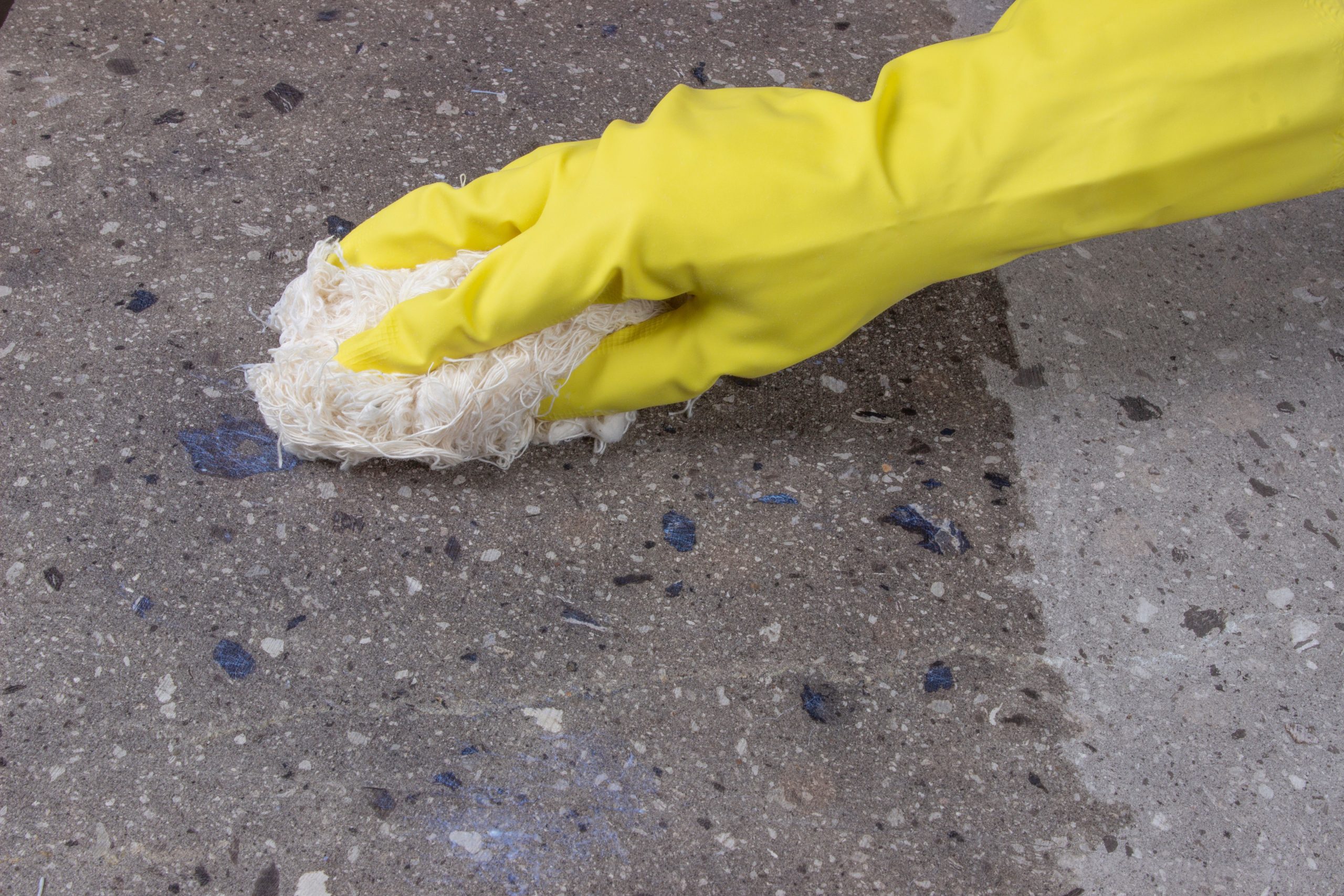
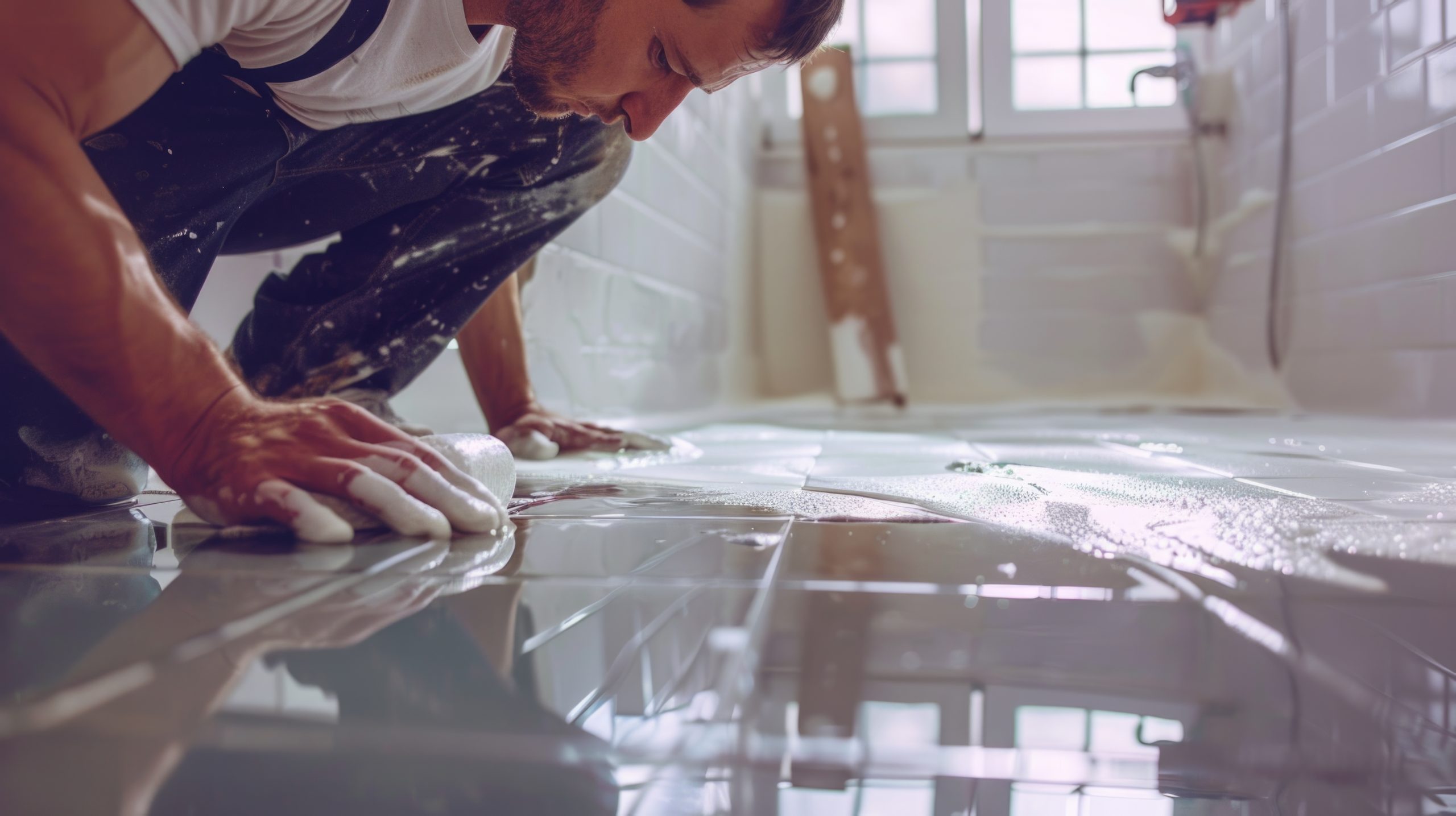
Concrete floors are a versatile and durable option for residential, commercial, and industrial spaces. However, maintaining their quality and appearance requires more than occasional mopping and sweeping. Investing in professional concrete floor cleaning services can offer benefits that extend beyond a simple cleaning. Let’s explore why professional services are worth the investment, particularly for ensuring durability, enhancing aesthetic appeal, and providing long-term savings.

1. Enhanced Durability Through Proper Maintenance

Concrete floors are renowned for their durability, but without proper upkeep, they can become susceptible to damage over time. Regular wear and tear, along with exposure to chemicals, dust, and grime, can create abrasions and micro-cracks, ultimately weakening the concrete surface. Professional cleaning services specialize in techniques that not only clean the surface but also protect it from future damage. By using industrial-grade equipment and specialized cleaning solutions, professionals remove contaminants that can erode the concrete, maintaining its integrity and extending its lifespan.

Example: A concrete floor in an industrial facility might endure heavy machinery, chemicals, and constant foot traffic. If not properly cleaned, these factors could reduce its lifespan by years. Professionals can provide deep cleaning and sealing treatments, which can save thousands in premature repairs or replacements.

2. Boost Aesthetic Appeal for a Positive Impression

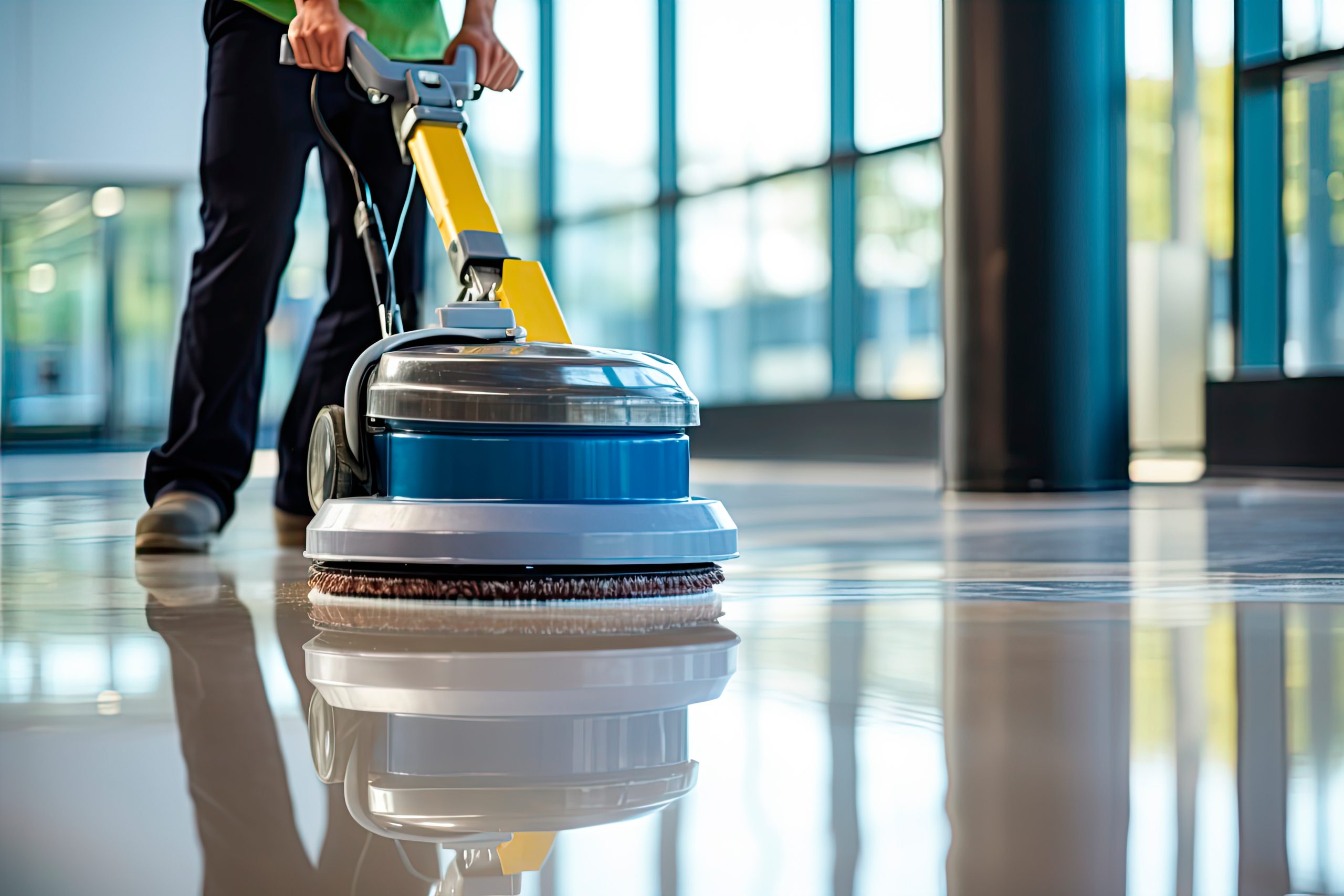
Over time, concrete floors can become dull and discolored, especially in areas with high traffic. Stains, scratches, and dust buildup can detract from the floor’s original appeal. Professional cleaning services utilize advanced techniques such as polishing and buffing, which can restore the floor’s natural sheen, making it look new and well-maintained. This is particularly important in commercial spaces, where a clean, polished floor can leave a positive impression on clients and visitors.

Aesthetics aren’t just about looks; clean, polished floors also contribute to a brighter and more inviting environment. Professional cleaners use high-end polishers and finishers to bring out a high-gloss shine that’s difficult to achieve with DIY methods, making the investment worthwhile for property owners looking to elevate their space’s appearance.

3. Long-Term Savings: Cost-Effectiveness of Professional Services

Hiring professional cleaning services may seem like a higher initial cost, but the long-term savings often outweigh the upfront expense. Here’s a breakdown:

  • DIY Costs: Attempting to clean concrete floors with rented equipment and store-bought solutions can cost hundreds of dollars each time, depending on the size of the floor. Plus, many DIYers lack the knowledge to properly handle heavy-duty equipment, which can lead to accidental surface damage and increased repair costs.
  • Professional Costs: Professional services provide not only cleaning but also preventative maintenance, such as sealing and polishing, which helps to protect the concrete over time. While the cost of professional cleaning may initially appear higher, it includes advanced techniques, professional-grade products, and knowledgeable staff. Additionally, regular professional cleaning can reduce the frequency of expensive repairs and floor replacements.

In the long term, regular professional cleaning is more cost-effective than occasional DIY efforts, as it helps maintain the floor’s condition, reducing the need for premature resurfacing or replacement.

4. Comparison of DIY vs. Professional Cleaning Costs

Let’s take a closer look at the cost difference between DIY and professional cleaning for a 1,000-square-foot concrete floor:

Service TypeCost per CleaningFrequency per YearAnnual CostEstimated Lifespan Extension
DIY Cleaning$2006$1,200Minimal lifespan extension
Professional Cleaning$500 – $7002$1,000 – $1,400Significant lifespan extension
These are estimations only*

While professional cleaning may seem more expensive on a per-cleaning basis, it requires less frequent intervention due to the quality and thoroughness of the service, making it a more cost-effective choice over time.

Professional Cleaning as a Wise Investment

Concrete floor maintenance is more than a simple task – it’s an investment in the durability, appearance, and longevity of your flooring. Professional cleaning services bring advanced techniques, quality materials, and expertise that DIY solutions can’t match. The initial investment pays off in the long run through enhanced durability, improved aesthetics, and cost savings, making professional services a wise choice for anyone who wants to protect their concrete flooring for years to come.

DIY Garage Floor Epoxy: Can You Do It Yourself or Should You Hire a Pro?

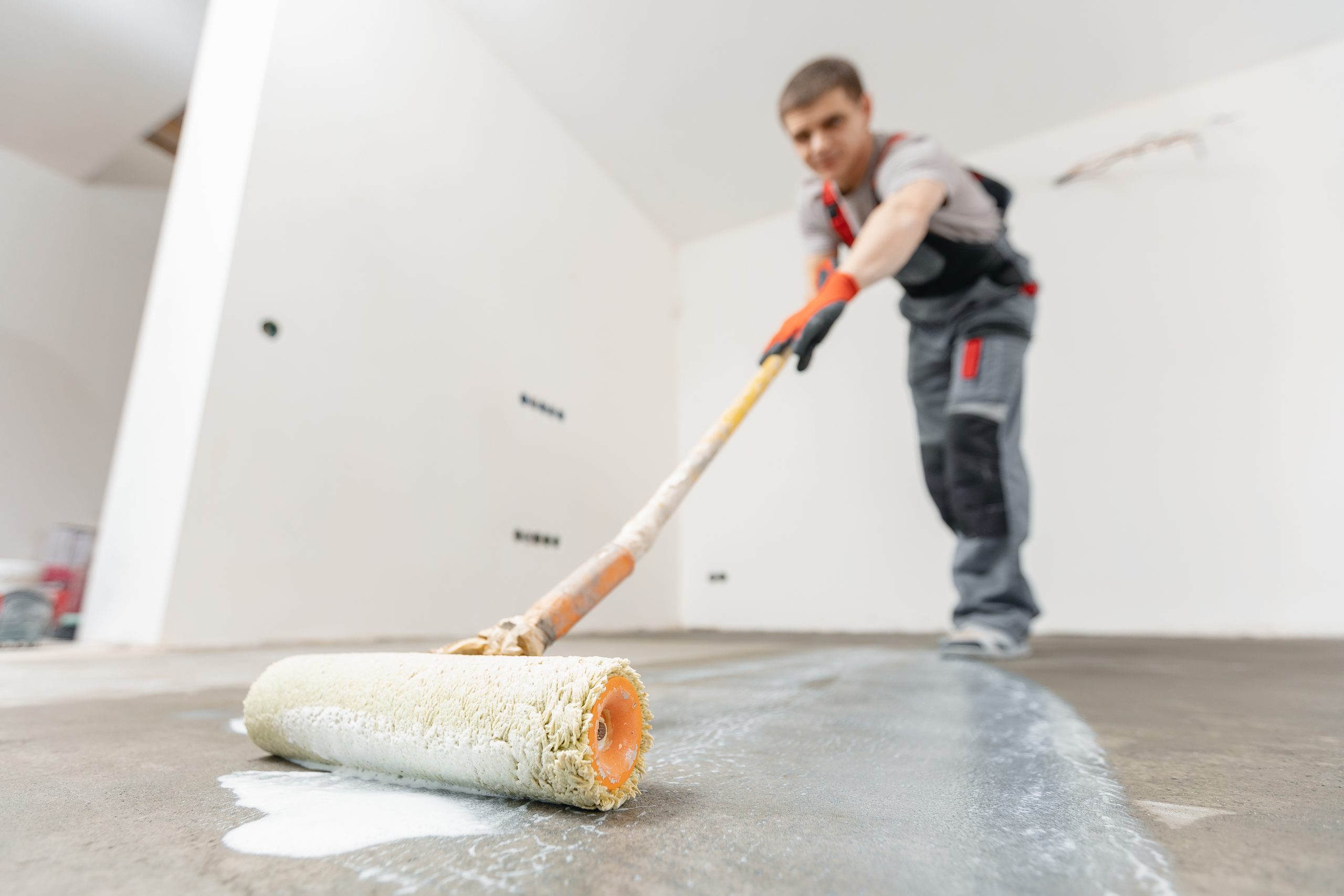
Epoxy flooring is one of the most durable and visually appealing finishes you can apply to a garage floor. It creates a tough, long-lasting surface that resists stains, chemicals, and wear from vehicles or tools. When considering an epoxy garage floor, many homeowners are left with a question: should they attempt to install it themselves or hire a professional?

In this article, we’ll explore the pros and cons of DIY epoxy installation versus hiring a professional, with a focus on the required skill level, costs, and potential pitfalls of each approach.

DIY Epoxy Installation: The Pros and Cons

Pros:

Cost Savings: One of the biggest reasons homeowners choose to DIY their garage floor epoxy is to save money. Professional installation can cost anywhere from $3 to $12 per square foot, while DIY kits can range from $100 to $500 depending on the size of the garage and the quality of the kit. This significant difference in cost makes DIY a tempting option.

Control Over Timing: Doing it yourself gives you the flexibility to work at your own pace. You can take your time prepping the floor, applying the epoxy, and ensuring every step is done carefully.

Satisfaction of Accomplishment: There’s a certain sense of pride that comes with completing a home improvement project yourself. For those who enjoy hands-on work, this could be a rewarding experience.

    Cons:

    Skill Level and Preparation: Properly applying epoxy to a garage floor requires a high level of preparation. The floor needs to be thoroughly cleaned, any cracks must be repaired, and a concrete primer may be necessary. If the floor isn’t prepped correctly, the epoxy may not adhere, leading to peeling or bubbling. For beginners, the amount of work required to prepare the surface can be overwhelming.

    Potential for Mistakes: Without professional expertise, there’s a higher chance of errors such as uneven coatings, improper mixing of the epoxy and hardener, or poor application technique. Even a small mistake can lead to a less durable finish, requiring costly repairs or even redoing the floor.

    Time-Consuming: A DIY project can take significantly longer than expected. Between surface prep, curing times, and the actual application, you could be dedicating a full weekend—or longer—to the project. For those with busy schedules, this may not be ideal.

    Limited Product Quality: While DIY kits are generally cheaper, they may not offer the same quality and durability as professional-grade products. Some kits are water-based, which tend to be less robust than the solvent-based or 100% solid epoxy options professionals use.

      Hiring a Professional: The Pros and Cons

      Pros:

      Expertise and Quality: Professional installers bring experience and knowledge to the job, ensuring that every step—from surface prep to the final coat—is done correctly. They know how to handle different floor conditions, whether it’s repairing cracks or dealing with moisture issues.

      Higher Quality Materials: Professional installers typically have access to higher-grade epoxy products than what is available in DIY kits. These products are more durable, long-lasting, and provide a smoother, more polished finish.

      Time Efficiency: A professional crew can complete an epoxy floor installation much faster than a DIY project. Depending on the size of your garage, a professional installation can often be finished in one or two days, allowing you to use your garage sooner.

      Warranty and Guarantees: Most professional services offer a warranty or guarantee on their work. If anything goes wrong—such as peeling or bubbling within the first year—the installer will typically fix the problem at no additional cost. This peace of mind can be invaluable, especially given the potential for mistakes in a DIY job.

        Cons:

        Cost: The most significant drawback to hiring a professional is the expense. As mentioned earlier, professional installation can range from $3 to $12 per square foot, depending on the contractor, the size of the garage, and the complexity of the job. For a typical two-car garage, this could mean spending anywhere from $1,500 to $6,000, significantly more than a DIY kit.

        Lack of Flexibility: When hiring a contractor, you’ll need to schedule the work around their availability. Depending on the time of year and the demand for their services, you may need to wait days or weeks before the project can begin.

          Key Considerations: Skill Level, Costs, and Pitfalls

          Skill Level: Installing an epoxy floor may seem straightforward, but it requires significant attention to detail. From cleaning and prepping the surface to mixing the epoxy correctly, there’s little room for error. For those who are experienced in DIY home improvement projects, it might be a manageable task. However, beginners should be cautious as mistakes can be costly to fix.

          Costs: DIY is clearly the cheaper route, but the lower upfront cost can sometimes be misleading. If mistakes are made during the installation, you may end up having to purchase more materials or, in the worst-case scenario, hire a professional to correct the issues. On the other hand, hiring a professional is more expensive, but the chances of costly errors are much lower, and the job will likely last longer due to better materials and craftsmanship.

          Potential Pitfalls: One of the most significant pitfalls in DIY epoxy installation is improper surface preparation, which can lead to peeling or bubbling. Moisture issues can also be a hidden problem that DIYers might not address properly, causing long-term damage. Hiring a professional mitigates these risks, but you need to ensure you hire a reputable contractor with experience in epoxy flooring.

          Conclusion: DIY or Professional?

          The choice between DIY and hiring a professional depends largely on your budget, skill level, and the amount of time you’re willing to invest. If you’re confident in your ability to follow detailed instructions and prepare the surface meticulously, DIY epoxy installation can save you a lot of money. However, if you want a top-quality finish with minimal risk of error and you can afford the higher cost, hiring a professional is the safer, long-term investment.

          For most homeowners, the question comes down to balancing cost against quality and convenience. While DIY can be a rewarding challenge, professionals offer the peace of mind that comes with expertise, speed, and warranties. Whatever you decide, make sure to carefully weigh the pros and cons to choose the best option for your garage floor project.

          Benefits of Epoxy Coating for Your Garage Floor: Why It’s Worth the Investment

          When it comes to upgrading your garage, one of the most overlooked yet effective improvements is epoxy floor coating. Applying epoxy to your garage floor not only enhances its appearance but also provides a range of functional benefits. Here’s why investing in epoxy coating is a smart choice for any homeowner:

          Durability

          One of the primary advantages of epoxy coating is its outstanding durability. Garage floors are subject to heavy wear and tear, from vehicle traffic to dropped tools and equipment. Epoxy creates a tough, resilient surface that can withstand impacts, abrasions, and the daily rigors of garage life. Unlike traditional concrete, which can crack and wear down over time, epoxy-coated floors resist damage, ensuring they last for years without showing signs of wear.

          Enhanced Aesthetic Appeal

          Beyond its functionality, epoxy dramatically improves the appearance of your garage. Available in a variety of colors and finishes—such as glossy, metallic, or speckled—epoxy can transform a drab concrete floor into a sleek, polished space. This not only adds to the overall look of your garage but can also increase the value of your home, especially if you use your garage as a workshop or show space.

          Stain and Chemical Resistance

          Garage floors are often subjected to spills from oil, gasoline, chemicals, and other substances that can leave unsightly stains and cause damage to unprotected concrete. Epoxy coating provides a protective layer that is resistant to these substances, making it easy to clean up spills before they cause any lasting damage. This resistance also extends to water, reducing the risk of mold or mildew growth in your garage, keeping it hygienic and safe.

          Improved Garage Usability

          By investing in an epoxy coating, you can transform your garage into a more usable and versatile space. The smooth surface of epoxy floors makes it easier to move items like vehicles, tool cabinets, and storage units without worrying about floor damage. Its slip-resistant properties also enhance safety, which is particularly important in a space where heavy equipment is often handled. Whether you’re using the garage for parking, as a workshop, or even a home gym, epoxy improves the space’s functionality and comfort.

          Low Maintenance

          One of the most significant benefits of epoxy-coated floors is their ease of maintenance. With its seamless surface, epoxy prevents dirt, dust, and debris from accumulating in cracks and crevices, which are common in traditional concrete floors. A simple sweep or mop is often all that’s needed to keep an epoxy floor looking clean and polished. This low-maintenance requirement saves both time and effort, allowing homeowners to enjoy their upgraded garage without the hassle of constant upkeep.

          Cost-Effective Investment

          Although the initial cost of applying epoxy might seem like an added expense, it’s a worthwhile investment in the long term. Epoxy extends the life of your garage floor by protecting it from damage, meaning fewer repairs or replacements down the line. Additionally, its aesthetic boost can increase your home’s market value, providing a return on investment that makes it a cost-effective choice for homeowners looking to upgrade their garage.

          Epoxy coating offers an ideal combination of durability, aesthetic appeal, and practical benefits, making it a smart investment for any garage. Whether you want a clean, stylish space for parking or a durable, functional workshop, epoxy can transform your garage into a more attractive, long-lasting, and versatile area.

          Choosing the Right Sealant for Your Natural Stone Floors

          Natural stone floors are a beautiful and durable choice for any home, but they require proper care and maintenance to preserve their appearance and longevity. One of the most important aspects of maintaining natural stone is sealing it. The right sealant not only enhances the stone’s natural beauty but also protects it from stains, moisture, and wear. In this article, we’ll guide you through the process of choosing the right sealant for your natural stone floors, considering the type of stone you have and how it will be used.

          Why Sealing Natural Stone Floors is Essential

          Natural stone is porous, which means it can absorb liquids, oils, and other substances that may cause stains or damage. Sealing creates a protective barrier on the stone’s surface, reducing its porosity and making it less susceptible to staining and moisture. Additionally, sealants can enhance the color and texture of the stone, giving your floors a vibrant, polished look. Regular sealing is essential to maintaining the stone’s durability and appearance, especially in high-traffic areas.

          Types of Natural Stone and Their Sealant Needs

          Different types of natural stone have varying levels of porosity, hardness, and susceptibility to staining, which affects the type of sealant you should use. Here’s a breakdown of common natural stones and their specific sealant requirements:

          1. Granite
            • Characteristics: Granite is a dense, hard stone with low porosity, making it one of the most durable natural stones available.
            • Sealant Recommendation: While granite is less porous, it still benefits from a penetrating sealer that provides a protective barrier without altering the stone’s natural appearance. Look for an impregnating sealer designed for dense stones.
          2. Marble
            • Characteristics: Marble is a softer, more porous stone that is prone to staining and etching, especially from acidic substances.
            • Sealant Recommendation: Use a penetrating sealer that offers deep protection against stains and a surface enhancer if you want to bring out the stone’s natural colors. A high-quality sealer with acid resistance is ideal for kitchens or bathrooms.
          3. Limestone
            • Characteristics: Limestone is highly porous and softer, making it susceptible to scratches, stains, and water damage.
            • Sealant Recommendation: A penetrating sealer is crucial for limestone to prevent moisture absorption and staining. In addition, a surface sealer can provide extra protection in areas prone to spills.
          4. Slate
            • Characteristics: Slate is a dense, layered stone that can range from moderately to highly porous, depending on the type.
            • Sealant Recommendation: Use a penetrating sealer to protect the stone from moisture and stains. A topical sealer can also be applied to achieve a glossy finish if desired.
          5. Travertine
            • Characteristics: Travertine is a form of limestone with a pitted, porous surface that can easily absorb liquids and stains.
            • Sealant Recommendation: Travertine requires a penetrating sealer to fill in the pores and protect against staining. A surface sealer can help to smooth the stone’s texture and enhance its appearance.

          Factors to Consider When Choosing a Sealant

          When selecting a sealant for your natural stone floors, consider the following factors:

          1. Intended Use and Location
            • For kitchens, bathrooms, and other high-moisture areas, choose a sealant that offers strong water resistance and protection against acidic substances.
            • For outdoor areas, opt for a sealant that provides UV protection and can withstand temperature fluctuations.
          2. Desired Finish
            • Sealants can enhance the stone’s natural look or add a gloss or matte finish. Decide whether you want to preserve the natural appearance or achieve a specific aesthetic.
          3. Durability and Longevity
            • Consider how often you are willing to reseal your floors. Some sealants offer longer-lasting protection, reducing the frequency of resealing.
          4. Environmental and Health Considerations
            • Choose low-VOC (Volatile Organic Compounds) sealants if indoor air quality is a concern. These sealants are safer for both your health and the environment.

          How to Apply Sealant to Natural Stone Floors

          1. Preparation
            • Clean the stone thoroughly to remove any dirt, dust, or residue. Allow the stone to dry completely before applying the sealant.
          2. Application
            • Follow the manufacturer’s instructions for application, typically using a clean brush, roller, or sprayer. Apply the sealant evenly and avoid over-application, which can cause streaking.
          3. Drying and Curing
            • Allow the sealant to dry and cure as per the manufacturer’s guidelines, which can range from a few hours to several days. Avoid foot traffic during this time to ensure the best results.
          4. Maintenance
            • Regularly clean your sealed stone floors with a pH-neutral cleaner to preserve the sealant’s effectiveness. Reapply the sealant as needed, based on wear and the specific product’s longevity.

          Choosing the right sealant for your natural stone floors is essential for protecting your investment and ensuring your floors remain beautiful and functional for years to come. By understanding the characteristics of your stone and the specific needs of your space, you can select the ideal sealant that provides both protection and aesthetic enhancement. Regular maintenance and timely resealing will keep your natural stone floors looking their best, adding lasting value to your home.

          Top Benefits of Professional Tile and Grout Cleaning Services

          Tile and grout are popular choices for flooring in many homes and businesses due to their durability and aesthetic appeal. However, maintaining their cleanliness and appearance can be challenging. While regular cleaning can help, professional tile and grout cleaning services offer several advantages that can significantly enhance the longevity and look of your tiles. This article explores the key benefits of hiring professional services and compares them with DIY methods to highlight the differences.

          1. Extending the Life of Tiles and Grout

          Professional Expertise and Equipment: Professional cleaners possess the expertise and specialized equipment needed to clean tiles and grout thoroughly. Over time, dirt and grime can accumulate in the porous surfaces of grout, leading to discoloration and potential damage. Professionals use high-powered steam cleaners and commercial-grade solutions that penetrate deep into the grout lines, removing embedded dirt and bacteria. This deep cleaning not only restores the original look of the tiles but also helps to prevent deterioration, extending the life of your flooring.

          Preventing Damage: Improper cleaning techniques and harsh chemicals can damage tiles and grout. Professionals are trained to use the right methods and products that are safe for your specific type of tile and grout. This careful approach prevents unnecessary wear and tear, ensuring that your flooring remains in good condition for years to come.

          2. Improving Appearance

          Restoring Original Beauty: Over time, tiles and grout can become stained and dull due to regular use, spills, and foot traffic. Professional cleaning services can restore the original beauty of your flooring. Using advanced cleaning techniques, professionals can remove tough stains and discoloration, bringing back the vibrant colors and shine of your tiles.

          Uniform Cleanliness: One of the challenges of DIY cleaning is achieving uniform results. It’s common to miss spots or apply uneven pressure, resulting in an inconsistent appearance. Professional cleaners ensure that every inch of your tile and grout is uniformly cleaned, providing a seamless and polished look.

          3. Ensuring a Healthier Living Environment

          Eliminating Mold and Mildew: Grout is porous and can easily trap moisture, making it a breeding ground for mold and mildew. These fungi not only cause unsightly stains but can also pose serious health risks, especially for individuals with allergies or respiratory issues. Professional cleaners use powerful disinfectants and techniques to effectively eliminate mold and mildew, ensuring a healthier living environment.

          Reducing Allergens and Bacteria: Regular professional cleaning helps reduce the presence of allergens, bacteria, and other contaminants that can accumulate on tile surfaces and in grout lines. This is particularly important in homes with pets or small children, where cleanliness is crucial for maintaining good health.

          4. Comparing DIY Methods with Professional Services

          Effectiveness and Thoroughness: DIY cleaning methods, such as scrubbing with household cleaners, can be time-consuming and often fail to achieve the same level of cleanliness as professional services. Professionals use industry-grade equipment and products that are not readily available to consumers, ensuring a more thorough and effective cleaning.

          Time and Effort: Cleaning tile and grout is a labor-intensive task. Hiring professionals saves you time and effort, allowing you to focus on other important activities. What might take you an entire weekend to clean can be done in a few hours by a professional team, with far superior results.

          Cost-Effectiveness: While professional cleaning services come with a cost, they can be more cost-effective in the long run. DIY methods might require frequent repetition and the purchase of various cleaning products. Additionally, improper cleaning can lead to damage, resulting in costly repairs or replacements. Investing in professional services can save you money by maintaining the integrity and appearance of your tiles and grout.

          Professional tile and grout cleaning services offer numerous benefits, including extending the life of your flooring, improving its appearance, and ensuring a healthier living environment. The expertise, advanced equipment, and thorough methods used by professionals provide a level of cleanliness that DIY methods simply cannot match. By investing in professional cleaning, you can enjoy beautiful, long-lasting tile and grout that contribute to the overall health and aesthetics of your home or business.

          The Comprehensive Handbook on Tile and Grout Cleaning Services

          Tile and grout are fundamental components of many residential and commercial spaces, providing both functional and aesthetic benefits. However, maintaining their cleanliness and appearance requires proper care and expertise. This handbook delves into the essentials of tile and grout cleaning services, offering a thorough understanding of various types of tiles, common issues with grout, the benefits of professional cleaning, and the best practices for effective maintenance.


          Understanding Tiles and Grout

          1. Types of Tiles

          Tiles come in various materials, each with unique properties and maintenance needs. The primary types include:

          • Ceramic Tiles: Made from clay and other natural materials, ceramic tiles are durable and versatile, ideal for various applications.
          • Porcelain Tiles: A subtype of ceramic tiles, porcelain is denser, less porous, and more water-resistant, making it suitable for high-moisture areas.
          • Natural Stone Tiles: Includes marble, granite, slate, and travertine. These tiles are valued for their natural beauty but require more delicate care.
          • Glass Tiles: Popular for backsplashes and decorative features, glass tiles are non-porous and easy to clean.
          • Vinyl Tiles: Affordable and easy to install, vinyl tiles are water-resistant and available in various designs.

          2. The Role of Grout

          Grout is a crucial material used to fill the spaces between tiles. It comes in different types, such as cement-based, epoxy, and urethane. Grout serves both functional and aesthetic purposes, providing stability and enhancing the overall appearance of tiled surfaces.


          Common Issues with Grout

          1. Stains and Discoloration

          Grout is porous, making it susceptible to staining from spills, dirt, and mold. Discoloration is a common issue, especially in high-traffic areas and damp environments.

          2. Cracking and Deterioration

          Over time, grout can crack and deteriorate due to age, improper installation, or shifting of the underlying surface. This not only affects the appearance but also the integrity of the tiled surface.

          3. Mold and Mildew Growth

          Moisture-prone areas like bathrooms and kitchens are prone to mold and mildew growth in grout lines, posing health risks and requiring thorough cleaning and maintenance.


          The Advantages of Professional Tile and Grout Cleaning

          1. Deep Cleaning and Restoration

          Professional cleaning services use specialized tools and techniques to deep clean and restore the original appearance of tiles and grout, removing stubborn stains, dirt, and mold.

          2. Extending the Lifespan

          Regular professional cleaning helps extend the lifespan of tiles and grout by preventing damage and deterioration, ensuring surfaces remain in good condition for longer.

          3. Health Benefits

          Professional cleaning eliminates harmful mold, mildew, and bacteria, creating a healthier environment and reducing the risk of allergies and respiratory issues.


          Effective Cleaning Techniques

          1. Manual Scrubbing

          Using brushes and appropriate cleaning solutions, manual scrubbing is effective for smaller areas and targeted cleaning. It’s labor-intensive but provides excellent control.

          2. Steam Cleaning

          Steam cleaning uses high-temperature steam to loosen and remove dirt, grime, and bacteria from tiles and grout. It’s an eco-friendly option that avoids harsh chemicals.

          3. Chemical Cleaners

          Professional-grade chemical cleaners are formulated to break down tough stains and disinfect surfaces. They must be used with care to avoid damage and ensure safety.

          4. Pressure Washing

          Pressure washing is suitable for outdoor tiles and large areas, utilizing high-pressure water jets to clean deeply embedded dirt and stains.


          Essential Tools for Tile and Grout Cleaning

          1. Brushes and Scrubbers

          Various brushes and scrubbers, including nylon, brass, and stainless steel, are used to clean grout lines and tile surfaces effectively.

          2. Steam Cleaners

          Portable steam cleaners with specialized attachments are essential for deep cleaning and sanitizing tiles and grout.

          3. Chemical Solutions

          Professional cleaning solutions, such as alkaline, acidic, and neutral cleaners, are chosen based on the type of tile and the nature of the stains.

          4. Pressure Washers

          For extensive outdoor cleaning, pressure washers provide a powerful and efficient cleaning method.


          Safety Measures and Maintenance Tips

          1. Personal Protective Equipment (PPE)

          Wearing gloves, masks, and eye protection is crucial when handling cleaning chemicals and using equipment to prevent injury and exposure to harmful substances.

          2. Proper Ventilation

          Ensuring good ventilation during cleaning helps disperse fumes from chemicals and steam, protecting respiratory health.

          3. Regular Maintenance

          Routine cleaning and sealing of grout lines help maintain cleanliness and prevent future staining and deterioration.

          4. Professional Inspections

          Periodic inspections by professional cleaners can identify potential issues early, allowing for timely repairs and maintenance.


          Effective tile and grout cleaning is essential for maintaining the beauty and functionality of tiled surfaces. By understanding the types of tiles, common grout issues, and the benefits of professional cleaning, homeowners and businesses can ensure their spaces remain pristine and long-lasting. With the right techniques, tools, and safety measures, tile and grout cleaning can be both efficient and rewarding.

          Speak with a Professional

          Learn how you can save thousands of dollars by restoring your floor.

          Call Us:
          760-360-4000