Blog

Marble Care for Kitchens and Bathrooms: Protecting High-Use Areas

Marble adds a touch of sophistication to kitchens and bathrooms, but these high-use areas also expose it to the greatest risks staining, etching, and moisture damage. With proper maintenance, however, your countertops, showers, and vanity tops can maintain their brilliance for decades. Here’s how to keep marble protected and looking its best in everyday spaces.

Kitchen Countertops: Food, Heat, and Daily Wear

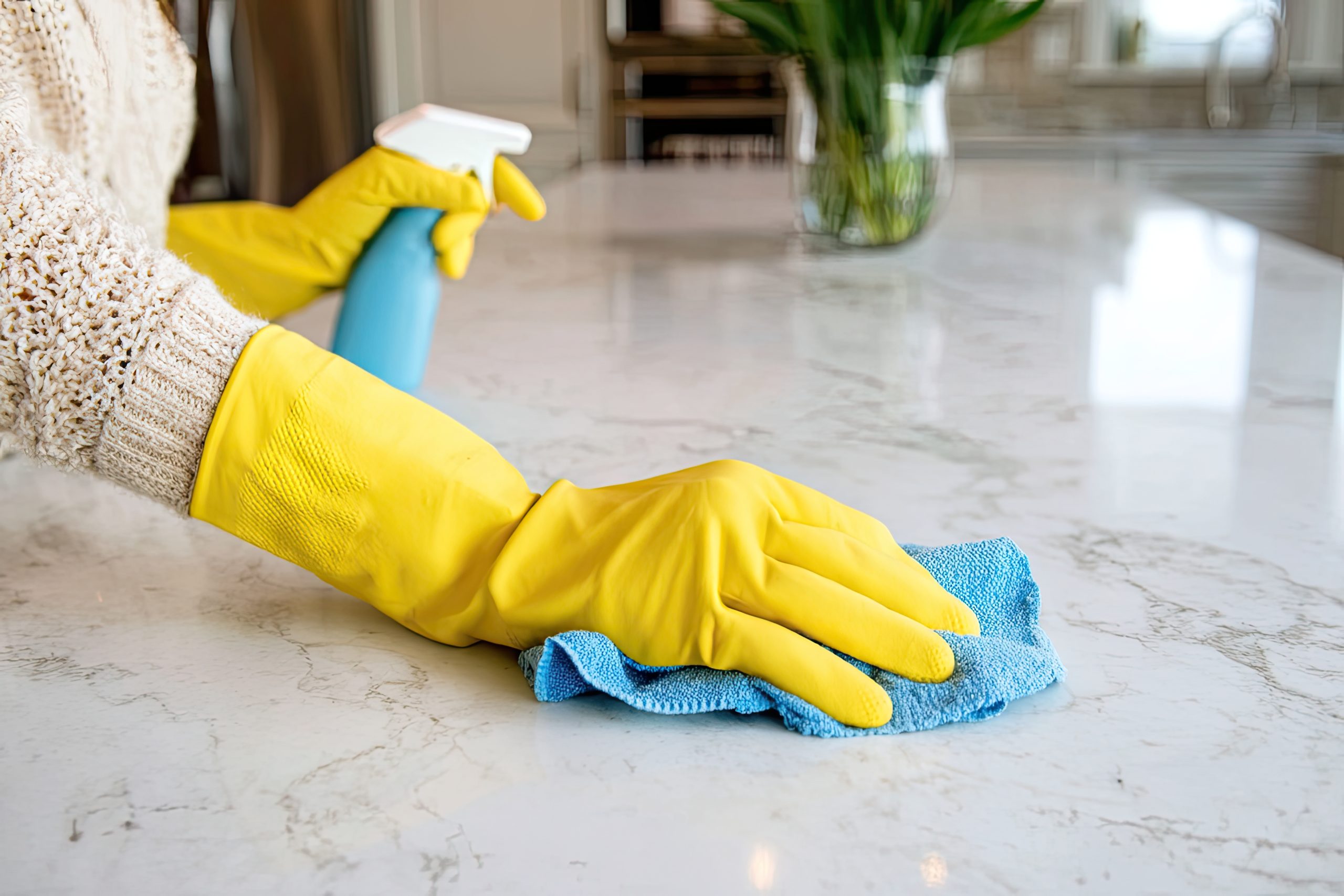
In the kitchen, marble countertops face constant challenges like spills, acidic foods, knife scratches, and even heat. To keep your counters in top condition:

  • Use a Food-Safe Sealant: Not all sealants are created equal. Look for products specifically rated as food-safe to protect against oils, wine, coffee, and tomato based sauces without risk of chemical contamination.
  • Wipe Spills Immediately: Marble is porous, so even short exposure to lemon juice or vinegar can leave permanent etching.
  • Use Cutting Boards and Trivets: Prevent scratches and thermal shock from hot pans.

Regular sealing with the right product makes a huge difference in resisting stains while keeping the surface safe for food prep.

Bathroom Showers: Moisture and Soap Build Up

Showers are among the harshest environments for marble. Constant water exposure, steam, and soap scum can lead to dullness, mildew, and long-term structural issues.

  • Seal Against Moisture: A high-quality penetrating sealant helps block water absorption that can cause discoloration.
  • Use pH-Neutral Cleaners: Harsh bathroom cleaners often strip marble finishes. A neutral cleaner keeps the stone intact.
  • Ventilation Matters: Reducing humidity lowers the risk of moisture seeping into the stone and grout lines.

Professional sealing and routine maintenance are the best defenses against water stains and mineral deposits in marble showers.

Vanity Tops: Cosmetics and Daily Use

Bathroom vanities face a different set of threats: makeup, lotions, perfumes, and toothpaste, all of which can leave lasting stains.

  • Daily Wipe Downs: Quickly cleaning up cosmetic spills helps prevent absorption into the stone.
  • Targeted Protection: A sealant specifically chosen for bathroom marble adds resistance to oils and colored liquids.
  • Avoid DIY Polishes: Many “polish” sprays marketed for marble can actually dull or damage the surface over time.

Maintaining vanities is about balancing beauty with functionality, keeping the stone brilliant while protecting it from cosmetic products.

Why Professional Care Matters

While DIY products are widely available, protecting marble in kitchens and bathrooms requires specialized knowledge. The right food-safe sealant for countertops may not be ideal for a steam-heavy shower, and vanity tops benefit from a different approach entirely.

That’s where our specialized marble care services come in. We tailor protection and maintenance to each surface—ensuring your marble looks pristine, performs well in daily use, and retains its natural elegance. Whether it’s sealing, restoration, or routine upkeep, our experts help homeowners safeguard their investment in marble for the long term.
How Often Should Marble Be Professionally Cleaned and Polished?

Marble is one of the most elegant and timeless natural stones used in homes and commercial spaces. Its smooth surface and natural veining add sophistication to floors, countertops, and decorative accents. However, marble’s beauty also makes it vulnerable—without proper care, it can become dull, scratched, or stained. The question many homeowners and business owners ask is: How often should marble be professionally cleaned and polished?

The answer depends on where the marble is installed, how it’s used, and the level of traffic or exposure it receives.

High-Traffic Floors

In areas like entryways, hotel lobbies, or busy household kitchens, marble is exposed to constant foot traffic, dirt, and spills. These factors can wear down the shine more quickly and create micro-scratches.

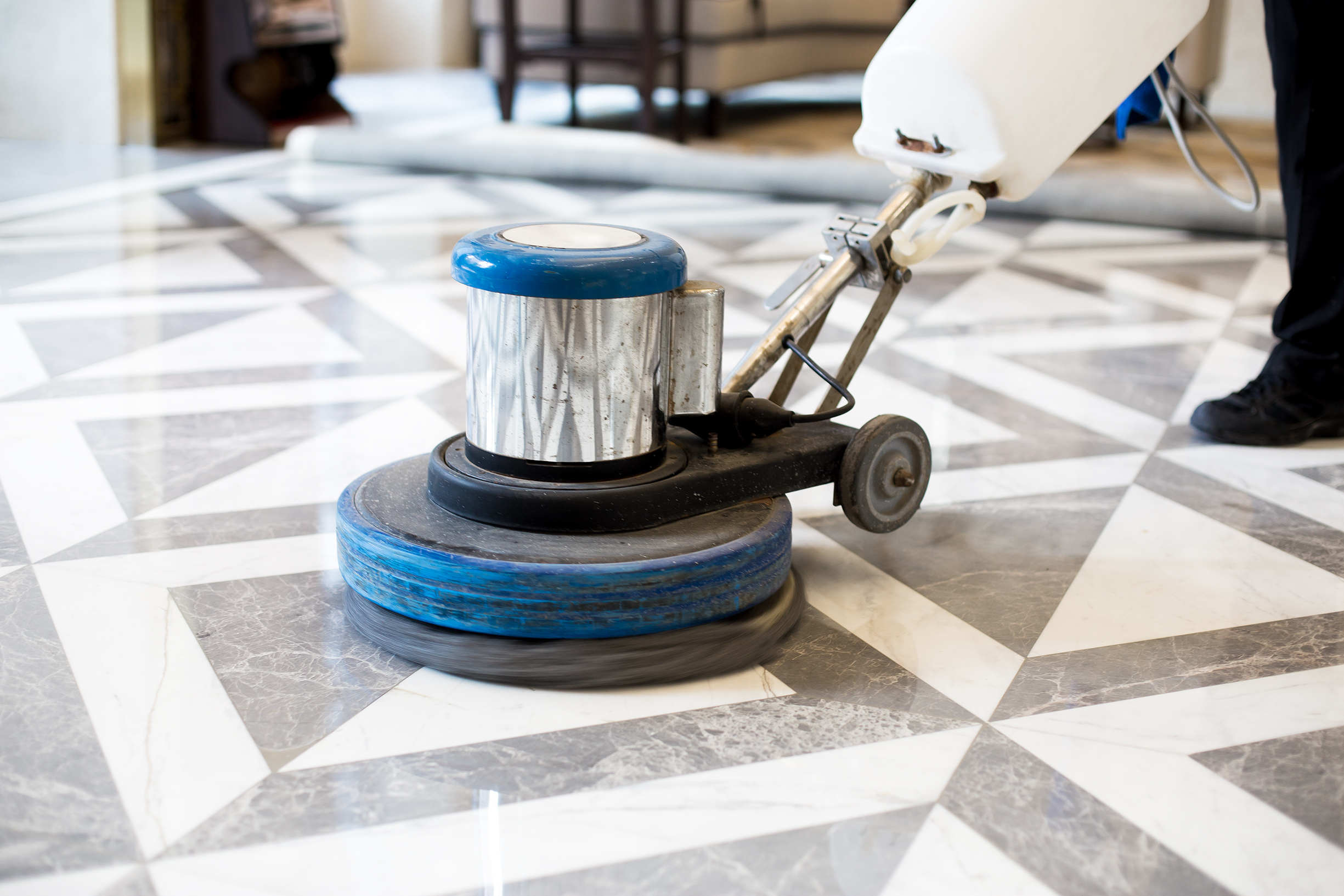
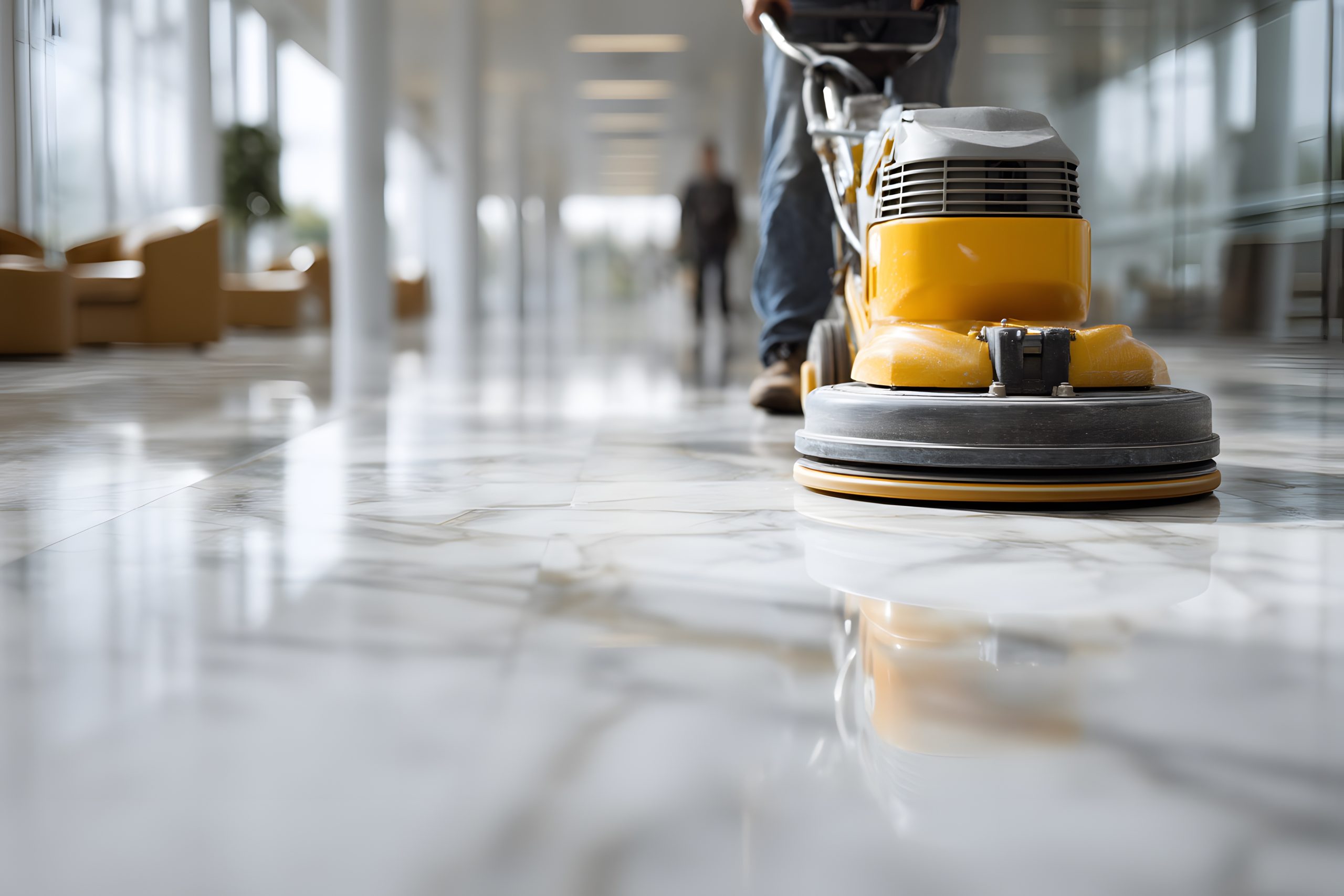
  • Cleaning: Professional cleaning every 3–6 months is recommended for high-traffic floors. This helps remove deep dirt and prevent scratches from becoming embedded.
  • Polishing: Most experts suggest polishing every 6–12 months in high-use spaces. Polishing restores the reflective finish and protects against stains and etching.

By maintaining a frequent schedule, businesses and homeowners can prevent costly restoration work later on.

Low-Traffic or Decorative Marble

Decorative marble, such as fireplace surrounds, bathroom vanities, wall panels, or accent pieces, isn’t exposed to the same wear and tear as flooring. These areas are less likely to experience heavy scratching or staining.

  • Cleaning: Professional cleaning once a year is usually sufficient for decorative marble.
  • Polishing: Polishing may only be needed every 1–2 years, depending on how often the surface is used and exposed to dust or light spills.

Even though these surfaces require less frequent care, scheduling maintenance ensures they remain as striking as the day they were installed.

Preventive Maintenance: Why It Matters

Marble is an investment that can last a lifetime when cared for properly. Professional cleaning and polishing isn’t just about restoring shine—it’s preventive maintenance. Each service removes damaging particles, restores protective sealants, and prolongs the stone’s structural integrity.

Skipping maintenance may lead to:

  • Permanent staining from spills or acidic substances.
  • Deep scratches that require expensive honing or replacement.
  • A dull, lifeless surface that detracts from the stone’s natural beauty.

By investing in regular upkeep, homeowners and businesses protect both the appearance and long-term value of their marble surfaces.

While the exact schedule will vary based on use, a good rule of thumb is every 6–12 months for high-traffic marble and every 1–2 years for decorative marble. Think of professional marble care as routine maintenance—similar to servicing your car or HVAC system. Regular attention keeps marble surfaces strong, brilliant, and lasting for generations.

Top Benefits of Hiring a Professional Marble Cleaning Service

Few materials capture both elegance and longevity quite like marble. But over time, even the finest marble can lose its luster due to foot traffic, spills, and natural wear. Homeowners and business owners often attempt DIY cleaning, only to find the results disappointing—or worse, damaging. That’s where a professional marble cleaning service makes all the difference.

Below are the top benefits of trusting experts with your marble care.

Extending the Longevity of Your Marble

Professional cleaning goes beyond surface-level dusting and wiping. Our technicians use specialized equipment and pH-balanced solutions designed specifically for marble. This prevents scratches, dulling, and etching that can shorten the stone’s lifespan.

Protecting Your Safety and Indoor Environment

Unpolished or neglected marble can develop uneven textures, chips, or slippery surfaces that pose safety hazards. Professional services restore a smooth, even finish that enhances both safety and comfort.

Restoring Natural Shine and Elegance

Marble is meant to shine—but regular household cleaners and DIY techniques can strip away its brilliance. Professional polishing removes etches, stains, and micro-scratches to restore marble’s original radiance.

Cost-Effective in the Long Run

DIY methods often lead to accidental damage—harsh chemicals, abrasive pads, or improper techniques can require expensive repairs or even replacement. Investing in professional service avoids these costs and preserves your marble for decades.

When you compare the price of a professional cleaning to the cost of replacement slabs, labor, and downtime, the value becomes clear: prevention is always more affordable than restoration.

An Investment in Preserving Value

Marble isn’t just a surface—it’s an investment in your property’s beauty and market value. By hiring a professional cleaning service, you’re not just restoring shine; you’re protecting your asset, enhancing safety, and ensuring long-term durability.

If you want your marble floors, countertops, or walls to look their best and last for generations, professional care is the smart choice.

Marble Care for Kitchens and Bathrooms: Protecting High-Use Areas

Marble is one of the most timeless and elegant natural stones you can bring into your home. Its veining, texture, and cool touch add sophistication whether it’s in your kitchen or bathroom. But while marble is stunning, it is also porous and vulnerable to everyday wear. Kitchens and bathrooms—high-use areas exposed to moisture, food, and cosmetics—require special care to keep marble surfaces looking pristine.

Below we’ll cover key strategies for protecting marble countertops, showers, and vanity tops, and why professional sealing and maintenance can make all the difference.

Kitchen Countertops: Guarding Against Food and Stains

Your marble kitchen countertops are constantly exposed to acidic foods, oils, and spills that can etch or stain the surface. Even something as simple as lemon juice or tomato sauce can leave a lasting mark if not addressed quickly.

Care Tips:

  • Use a food-safe sealant: Not all sealants are created equal. For kitchen use, it’s essential to choose a sealant that is both durable and food-safe, so you never have to worry about contamination. A high-quality penetrating sealer will form a protective barrier, minimizing absorption of liquids and oils.
  • Clean up promptly: Wipe spills immediately with a pH-neutral cleaner made specifically for stone. Avoid vinegar, bleach, or generic household cleaners.
  • Cutting boards and trivets: Always use boards for food prep and trivets for hot pans—heat can damage marble’s surface over time.

Bathroom Showers: Preventing Water and Soap Damage

Marble showers create a spa-like retreat, but they are particularly vulnerable to water penetration, soap scum, and hard water stains. Over time, these elements can dull the stone’s natural polish and even cause structural damage if moisture seeps deep into the stone.

Care Tips:

  • Moisture protection is key: Seal shower marble with a moisture-resistant sealant designed to withstand daily water exposure. This keeps water and soap residue from penetrating and staining the stone.
  • Daily maintenance: After showering, squeegee the walls to minimize water spots and reduce buildup.
  • Use stone-safe cleaners: Regular bathroom cleaners are often too harsh for marble. Stick to products made specifically for natural stone.

Vanity Tops: Defending Against Cosmetics and Toiletries

Marble vanity tops bring elegance to bathrooms, but they also face constant exposure to cosmetics, lotions, toothpaste, and perfumes—many of which contain oils or acids that can etch the surface.

Care Tips:

  • Protective sealing: A specialized sealant adds an invisible layer of defense, reducing the likelihood of staining from makeup or hair products.
  • Coasters and trays: Store perfumes, lotions, and other items on trays to avoid direct contact with the marble surface.
  • Gentle cleaning routine: Wipe down daily with a soft cloth and stone-safe cleaner to maintain shine and prevent residue buildup.

Why Professional Care Matters

While at-home care goes a long way, professional sealing and restoration services provide a level of protection you simply can’t get from DIY products. Our specialized services include:

  • Food-safe sealing for kitchens that meets health standards.
  • Moisture-protective sealing for showers to combat constant water exposure.
  • Custom solutions for vanity tops, tailored to protect against everyday cosmetic use.

We don’t just protect your marble—we enhance its beauty and longevity, ensuring your investment continues to look stunning for years to come.

Marble surfaces in kitchens and bathrooms deserve a thoughtful approach to care. By sealing with the right products, maintaining a consistent cleaning routine, and investing in professional services, you can preserve the elegance of your marble countertops, showers, and vanity tops.

If you’d like to learn more about how we can help protect and maintain your marble surfaces, our team is here to provide specialized solutions designed specifically for high-use areas of your home.

Top 5 Signs Your Tile and Grout Need a Deep Clean

Tile and grout are designed to be long-lasting and beautiful, but without regular maintenance, they can become dingy, discolored, and even unhealthy. While daily sweeping and mopping help maintain cleanliness, they often aren’t enough to tackle deeper grime that builds up over time. Here are the top five signs that your tile and grout need a professional deep clean.

1. Visible Discoloration or Darkening

If your grout was once white or light gray and now appears brown, yellow, or black, it’s likely harboring dirt, mold, or mildew. Tiles themselves can also become dull or cloudy from residue build-up. Discoloration is one of the most obvious indicators that your surfaces are due for a professional cleaning.

Pro tip: Try comparing a low-traffic corner with a high-traffic area—notice a difference? That’s your sign.

2. Persistent Odors or Musty Smells

Does your bathroom or kitchen smell musty, even after cleaning? Tile and grout are porous, which means they can absorb moisture and trap bacteria. If unpleasant odors linger, especially in warm, humid areas, your grout may be hiding mildew or mold beneath the surface.

A deep clean removes the buildup causing these odors and helps prevent their return.

3. Stubborn Stains That Won’t Go Away

From wine and coffee to pet accidents and food spills, tiles and grout are exposed to a variety of staining agents. If scrubbing or store-bought cleaners aren’t cutting it, it’s a sign that stains have penetrated deep into the grout. A professional-grade clean can reach what household products can’t.

Stains are more than cosmetic—they may also indicate underlying bacteria growth.

4. Grout That’s Cracking, Crumbling, or Missing

Damaged grout doesn’t just look bad—it’s a structural problem. Cracks and missing pieces allow water and debris to seep behind the tile, potentially leading to mold or tile loosening. While this may require repairs, a deep clean is often the first step before restoration or resealing.

Routine cleaning helps preserve grout integrity and extends its lifespan.

5. Your Tiles Feel Sticky or Slippery Even After Mopping

When your floors don’t feel clean even after you’ve just cleaned them, there’s likely a residue buildup. Soap scum, hard water deposits, or cleaning product residue can all contribute to a tacky or slick texture that signals it’s time for a deeper solution.

Professional cleaners use high-pressure and steam systems that safely strip away residues and restore natural traction.

Ignoring the signs of dirty tile and grout doesn’t just affect how your home looks—it can also impact your health and the longevity of your surfaces. If you’ve noticed any of the signs above, it’s time to invest in a professional tile and grout cleaning service. Your home will look fresher, feel cleaner, and smell better—guaranteed.

Concrete Sealing After Cleaning: Is It Worth the Extra Step?

Concrete is renowned for its strength and durability, but even this rugged material needs protection to truly stand the test of time. After investing effort (and often money) into cleaning your concrete surfaces—be it a driveway, patio, garage floor, or walkway—you might wonder: Is sealing really worth it as an extra step?

The answer, in most cases, is a resounding yes. Let’s explore why.


How Sealing Prolongs Concrete Life

Concrete is porous, meaning it readily absorbs water, oils, chemicals, and stains. Left unsealed, these contaminants can penetrate deep into the concrete, causing discoloration, surface erosion, and even cracks from freeze-thaw cycles in colder climates.

Sealing acts like an invisible shield. It:

  • Repels water and moisture
  • Protects against stains from oil, grease, and spills
  • Prevents freeze-thaw damage
  • Reduces dusting and surface wear
  • Enhances the appearance of concrete, often giving it a richer color or subtle sheen

The result is not just a surface that looks cleaner for longer but one that structurally endures heavy use and environmental exposure.


Types of Concrete Sealers

Not all sealers are created equal. Choosing the right product depends on the concrete’s location, usage, and the look you prefer. Here are the main categories:

1. Penetrating Sealers

  • Soak into the concrete and create a chemical barrier below the surface.
  • Excellent for exterior surfaces exposed to deicing salts, water, and harsh weather.
  • Often invisible once dry, maintaining the natural look of the concrete.
  • Types include silanes, siloxanes, and siliconates.

2. Acrylic Sealers

  • Form a thin film on the surface, providing good protection and enhancing color.
  • Available in solvent-based (more durable but higher VOCs) and water-based (eco-friendlier) formulas.
  • Provide a glossy or satin finish, popular for decorative concrete.

3. Epoxy and Polyurethane Sealers

  • Create a thick, highly protective coating.
  • Best for indoor concrete, like garage floors or commercial spaces, where chemical and abrasion resistance is crucial.
  • Offer a glossy finish but can be slippery when wet unless additives are mixed in for traction.

When to Apply a Concrete Sealer

Timing is crucial for effective sealing:

  • New concrete: Wait at least 28 days for full curing before applying most sealers.
  • After cleaning existing concrete: Ensure the surface is completely dry and free from residue or contaminants. Moisture trapped under a sealer can lead to whitening, peeling, or reduced adhesion.
  • Temperature matters: Apply sealers when temperatures are moderate (often between 50°F and 80°F) and rain isn’t expected for at least 24 hours.

Sealers typically last from 1-5 years depending on traffic, weather, and the type of product used. Inspect your concrete annually and reapply as needed.


Is Sealing Worth It?

Considering the cost of repairing cracked, stained, or deteriorated concrete, sealing is a smart investment. For a relatively modest price, you extend the life of your surfaces, protect your property value, and maintain a clean, appealing aesthetic.

In short, sealing isn’t just worth the extra step—it’s an essential one for anyone serious about preserving their concrete.

Whether your concrete is a brand-new driveway or a freshly cleaned patio, applying a sealer is a proactive step that pays dividends in durability, protection, and visual appeal. Don’t skip it—you’ll thank yourself later.

Speak with a Professional

Learn how you can save thousands of dollars by restoring your floor.

Call Us:
760-360-4000